July 22, 2026
“The family will manage” is not an aged care plan.
No government policy says the family will manage. But every major review of aged care...
Read more

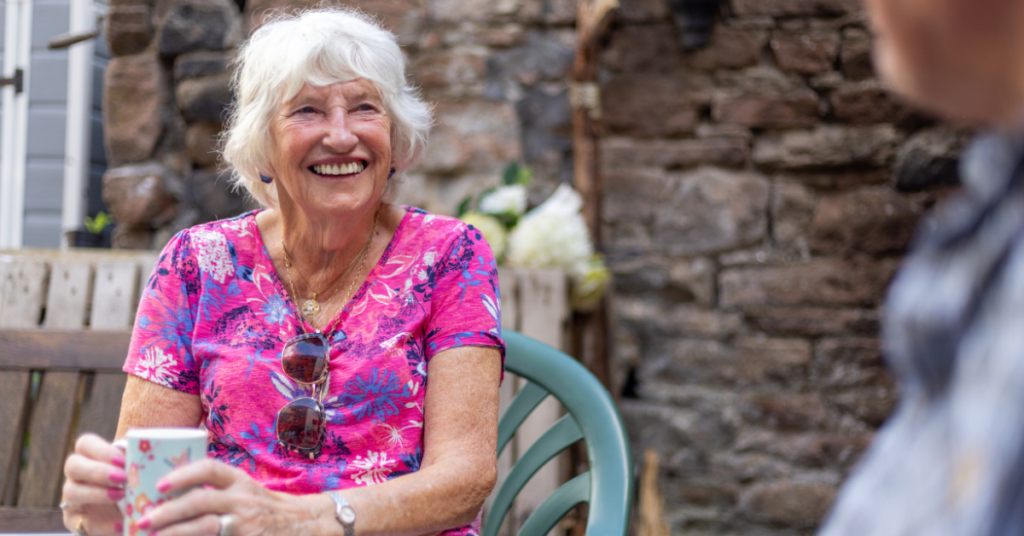
Many people facing cancer return home at the end of the day to a partner, family member or housemate who can help with everyday tasks. Others return to an empty house.
Living alone doesn’t mean someone lacks resilience, independence or support. It does, however, create challenges that family and friends don’t always see.
Simple tasks that might normally be shared with someone else can become significant responsibilities during treatment and recovery.
There may be nobody to notice when someone is having a difficult day, collect groceries when energy is low or provide transport after an appointment.
For people living alone, practical support can have an especially powerful impact.
The part that often gets missed
Many people who live alone become highly skilled at managing life independently.
As a result, supporters sometimes assume they are coping better than they really are.
Patients frequently describe wanting to remain independent while also needing support. This can create tension between accepting help and maintaining autonomy.
One of the most valuable things family and friends can provide is consistency.
Knowing someone will check in, help with practical tasks or notice if something is wrong can create a sense of safety during an uncertain time.
How Family and Friends Can Help
Things to Avoid
Every story is a reminder that none of us has to do it alone. Share yours and help thousands of others who are in need of help.