October 22, 2026
Emily’s Story: A photo a day
Someone I love was going through a really tough time. Her instinct was to retre...
Read more

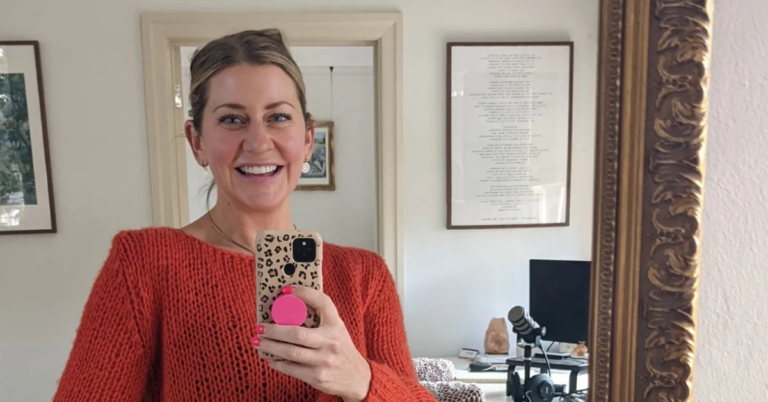
Lauren was just 31 when she was diagnosed with breast cancer. Since then, she has undergone a double mastectomy, completed 11 rounds of chemotherapy and is now beginning radiation treatment.
At home, life has continued around her treatment, with her partner, an 18-year-old stepson and a four-year-old son all navigating the disruption that cancer inevitably brings to family life.
When Lauren looks back on the months since her diagnosis, one of the things that stands out most is how support found her through an ordinary conversation.
It wasn’t a doctor, nurse or hospital social worker who introduced her to Gather My Crew.
It was a parent from her son’s kinder group who mentioned it in passing. Someone else helped set everything up for her, which turned out to be one of the most important gifts she received.
At a time when she was overwhelmed by appointments, treatment decisions and the emotional shock of her diagnosis, organising a support network would have felt like one more impossible task.
From January onwards, meals began arriving twice a week. The support continued through chemotherapy, surgery and recovery. While the meals themselves made an enormous difference, Lauren often found herself remembering the small details that came with them.
People would send messages beforehand asking what the family felt like eating. They would check dietary preferences, include notes explaining how to heat the food, and sometimes tuck a small chocolate into the container.
“It sounds small,” she says, “but it said: I thought this through for you.”
Those gestures made her feel seen. They transformed what could have felt like a transaction into something much more personal. The care wasn’t just in the meal itself, but in the thought behind it.
There were unexpected benefits too. Because other people were cooking, her four-year-old son started trying foods that Lauren would never normally have prepared. What began as practical support quietly expanded his world a little. Lauren laughs when she talks about it now, reflecting that there were moments of joy and surprise even during a period that was otherwise incredibly difficult.
One story in particular stayed with her. A friend wanted to help but admitted she couldn’t afford the ingredients needed to cook for another family. Rather than quietly withdrawing, she was honest about it. Lauren transferred her some money, and together they worked out a meal she could prepare and deliver. For Lauren, it was another reminder that support doesn’t have to look perfect. Sometimes it simply requires people to be open, practical and willing to find a solution together.
Perhaps the biggest lesson Lauren has learned, however, has been about accepting help in the first place. Like many people, she initially found it difficult. She worried about being a burden. She felt guilty asking for things. She found herself trying to manage on her own even when she was exhausted.
Then a friend said something that completely changed her perspective.
“A friend said: you’re depriving us of helping you. We feel helpless if you won’t let us.”
The comment stopped her in her tracks. Until then, she had viewed accepting support as something she was asking of other people. For the first time, she realised that helping was important for them too. The people who cared about her wanted a way to contribute. They wanted to feel useful during a situation that often left them feeling powerless.
The same lesson applied to boundaries. Early in treatment, Lauren remembers a friend visiting for several hours when she was already exhausted. She desperately needed rest but didn’t know how to ask the person to leave. Over time she learned that accepting help also meant being honest about her own needs. Now she feels comfortable saying, “I need to rest now,” knowing that people can care about her and still understand when she needs space.
As radiation treatment begins, Lauren continues to post tasks when she needs support. Recently she added a series of childcare requests for short appointment windows, and within a short time several people had volunteered to help. She still admits to feeling guilty at times. She still hesitates before posting a request. But she posts it anyway, because experience has taught her that people genuinely want to show up when they know how.
What Lauren Found Most Helpful