June 18, 2026
Kate’s Story: When Everyone Thinks It’s Over
When Kate was diagnosed with breast cancer in 2021, her son was just 11 years old. Li...
Read more

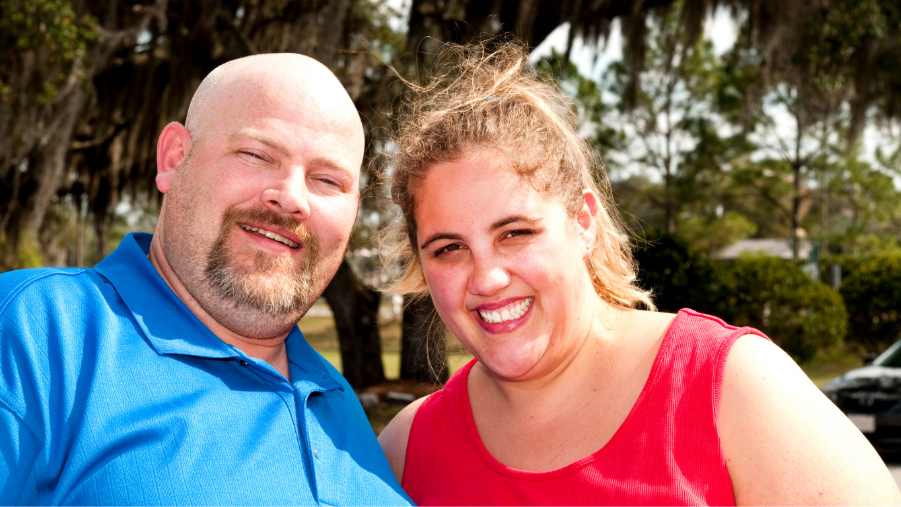
When Tracy’s breast cancer spread to her bones in December 2022, the diagnosis changed many things. What surprised her most, however, was not the medical treatment or the uncertainty that came with metastatic cancer. It was the way some of the people around her began treating her differently.
The cancer was discovered after she fractured her hip. Further investigations found cancer in two places in her spine, one in her left hip and one in her right femur.
Understandably, the news was frightening for both Tracy and her family.
What happened next was something she hadn’t anticipated.
People heard the words “stage four” and “terminal” and immediately began imagining the worst.
The problem, Tracy explains, is that metastatic breast cancer is not a single story.
While there is currently no cure, many people live with metastatic disease for years and sometimes decades. Since her diagnosis, there has been no progression. She has travelled overseas, adopted a new puppy, continued living independently and built a life that still includes plans, goals and things to look forward to.
Yet some family members responded as though she had already become incapable.
They stopped inviting her to family gatherings because they assumed the travel would be too difficult. Sometimes she was left off family conversations because people were trying to protect her. Others searched the internet for survival statistics and unconsciously allowed those numbers to shape how they interacted with her.
For Tracy, those changes were often harder to navigate than the practical realities of treatment.
“I’m still very capable of making my own decisions. Until that day comes where I can’t, then Phil will make those decisions. But that’s not now.”
What frustrated her most was that nobody stopped to ask what she actually wanted.
Instead, decisions were made on her behalf.
The intention was kindness. The impact was exclusion.
Tracy understands that family members were frightened. She understands that people often struggle to know what to say when they hear the word “terminal.” What she wishes they understood is that serious illness does not automatically remove a person’s independence, judgement or ability to make decisions about their own life.
She wants to be included.
She wants to be asked.
And she wants people to recognise that she is still the same person she was before the diagnosis.
Her husband Phil has become an important partner in helping navigate the realities of living with metastatic cancer. Because he doesn’t drive, Tracy attends many routine appointments on her own. Together they have worked out what works for them. Phil attends every appointment involving scan results and any consultation where important decisions may need to be made. For standard follow-up appointments, Tracy is perfectly comfortable going by herself.
Their arrangement is based on communication rather than assumptions.
Phil also helps manage some of the less visible impacts of long-term treatment.
Tracy has been on hormone therapy for an extended period, which she describes as feeling like permanent menopause. The medications affect her mood, energy and emotional resilience in ways that are sometimes difficult to predict.
Over time, Phil has learned when she needs support, when she needs space and when she simply needs someone to listen.
One of Tracy’s favourite examples of well-intentioned but misplaced support comes from her father.
At 89 years old, and living with a bad hip himself, he still insists on carrying heavy boxes for her because she has cancer.
Tracy finds this both frustrating and amusing.
“Out of the two of us, I am the better person to carry the box.”
Despite every logical argument she presents, he continues to insist.
The story captures something she sees often. People sometimes become so focused on the diagnosis that they stop seeing the person standing in front of them.
That experience has inspired Tracy to begin writing a fact sheet for her own family. She wants to explain what her diagnosis actually means, what “stable disease” means, and why the statistics people find online do not necessarily reflect her reality.
Most importantly, she wants them to understand that metastatic cancer is not a single path.
Some people live for months. Some live for many years. Some continue working, travelling and participating fully in life.
She wants her family to understand her story, rather than relying on assumptions about someone else’s.
At its heart, Tracy’s message is simple. People living with serious illness do not stop being themselves. They do not lose their right to make decisions, take risks, attend family events or determine what kind of support they need.
The most helpful thing family and friends can do is often the simplest.
Ask. Then listen to the answer.
What Tracy Wishes Family and Friends Understood