June 22, 2026
Tracy’s Story: Living With Cancer Is Not the Same as Dying From It
When Tracy’s breast cancer spread to her bones in December 2022, the diagnosis ...
Read more
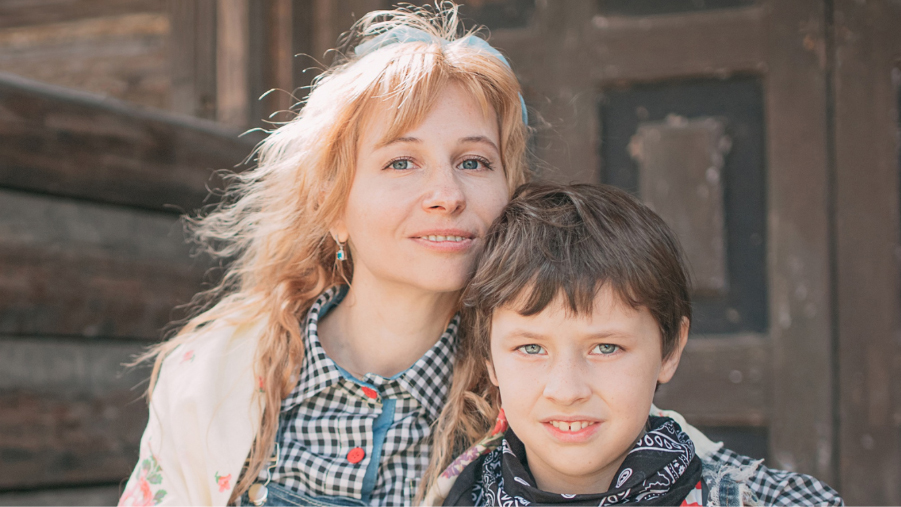
When Kate was diagnosed with breast cancer in 2021, her son was just 11 years old. Living on the Central Coast as a solo parent, she suddenly found herself navigating treatment while continuing to raise her child and manage the practical realities of everyday life.
What she remembers most vividly from those first months is the extraordinary generosity of the people around her.
“When you get diagnosed, it is mind blowing, the amount of support that just comes at you. The love I felt just blew me away.”
Three close friends sat down together and built a detailed schedule that covered school pickups, soccer training and every commitment her son would need help getting to while she underwent surgery and treatment. Meals appeared. Friends tackled jobs around the house. Her aunt travelled long distances to accompany her to chemotherapy appointments. At a time when life felt chaotic and uncertain, she was carried by the people around her.
The challenge came later.
As treatment ended, many people assumed the difficult part was over. When she finished radiotherapy, friends and family celebrated the milestone and expressed relief that she had reached the end.
The reality was much more complicated.
Years later, Kate is still taking hormone therapy. She still attends medical appointments. She still experiences fatigue, bone pain and treatment side effects that affect daily life in ways most people never see.
“I feel embarrassed to say that I still need some help.”
She describes a strange tension that developed once she looked healthy again. Her hair grew back. She returned to work. To most people, she appeared to have moved on from cancer. Yet behind the scenes she was still managing the consequences of treatment every single day.
One side effect caused severe trigger thumb in both hands, making everyday tasks surprisingly difficult. Gardening became harder. Household jobs became harder. There were days when exhaustion or pain limited what she could do, even though there was nothing visibly wrong.
What made it more difficult was feeling that everyone else had moved on.
At the end of last year, a scan revealed something that required further investigation. Weeks passed waiting for appointments, then more waiting for specialist procedures and results. Unlike earlier in her treatment, Kate barely told anyone.
Partly because she didn’t want to worry people.
Partly because she felt uncomfortable still needing support years later.
She spoke openly about the emotional impact of living with long-term treatment effects and changes to her body. Comments such as “at least they got it all” or “at least you had surgery” were intended kindly but often left her feeling misunderstood.
What she wanted wasn’t reassurance or solutions.
She simply wanted people to understand that the impact of cancer doesn’t necessarily end when treatment does.
One image stayed with her throughout the experience.
“When I got diagnosed, it was like I got put into a snow globe. I can see everybody on the outside, but I’m in. And then cancer just shakes it all up.”
Even years later, she still feels the uncertainty of waiting for the next shake.
What Kate Wishes People Knew