October 12, 2026
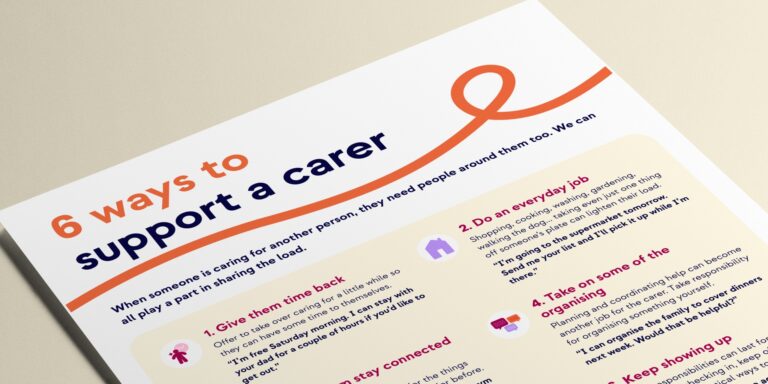
6 ways to support a carer
When someone is caring for another person, they need people around them too. We can a...
Read more

When people think about cancer, they often think about treatment.
They think about chemotherapy, surgery, radiotherapy, hospital appointments and scans. These are the visible parts of the experience. They are the things family, friends and colleagues can see.
What is often less visible is everything happening around them.
Cancer can affect almost every aspect of a person’s life. It can change routines, relationships, finances, confidence, independence and plans for the future. It can create uncertainty, disrupt family life and place new pressures on the people providing care and support.
Many of these impacts are largely invisible to others.
Someone may look well while experiencing significant fatigue. They may continue working while attending appointments, managing side effects and coping with uncertainty. They may appear positive while privately feeling frightened, overwhelmed or exhausted.
For family and friends, understanding this broader picture can make it easier to provide meaningful support.
One of the biggest challenges many people face is the loss of ordinary life.
Simple things that were once taken for granted can suddenly require much more effort. Cooking dinner, attending school events, keeping up with housework or making plans for the future may become more difficult. Energy becomes a limited resource and decisions are often made based on what is essential.
Cancer can also affect relationships.
Some people become closer to family and friends during treatment. Others find relationships change unexpectedly. Friends may not know what to say. Invitations may stop. Conversations can become awkward. Even people with strong support networks can experience periods of loneliness and isolation.
Partners, children and carers are affected too.
Family members often take on additional responsibilities while managing their own emotional reactions to the diagnosis. Many carers describe feeling overwhelmed, exhausted or uncertain about how best to help. They may spend months or years supporting someone they love while trying to maintain work, family and everyday responsibilities.
Another hidden impact is uncertainty.
Cancer can introduce questions that do not have immediate answers. Treatment outcomes, scan results, side effects and future plans may all feel uncertain for periods of time. Living with uncertainty can be emotionally draining for both the person with cancer and the people who care about them.
Importantly, these challenges do not always end when treatment ends.
Many people expect life to return to normal once treatment is completed. While this can be true for some, others continue to experience fatigue, anxiety, ongoing treatment, fear of recurrence or difficulties adjusting to a new version of normal.
Understanding these less visible impacts does not mean trying to solve them all.
Often, the most valuable thing family and friends can do is recognise that cancer affects much more than the body. It affects daily life, relationships, emotions and routines in ways that are not always obvious from the outside.
This understanding creates empathy, and empathy often leads to better support.
How Family and Friends Can Help
Things to Avoid