August 31, 2026
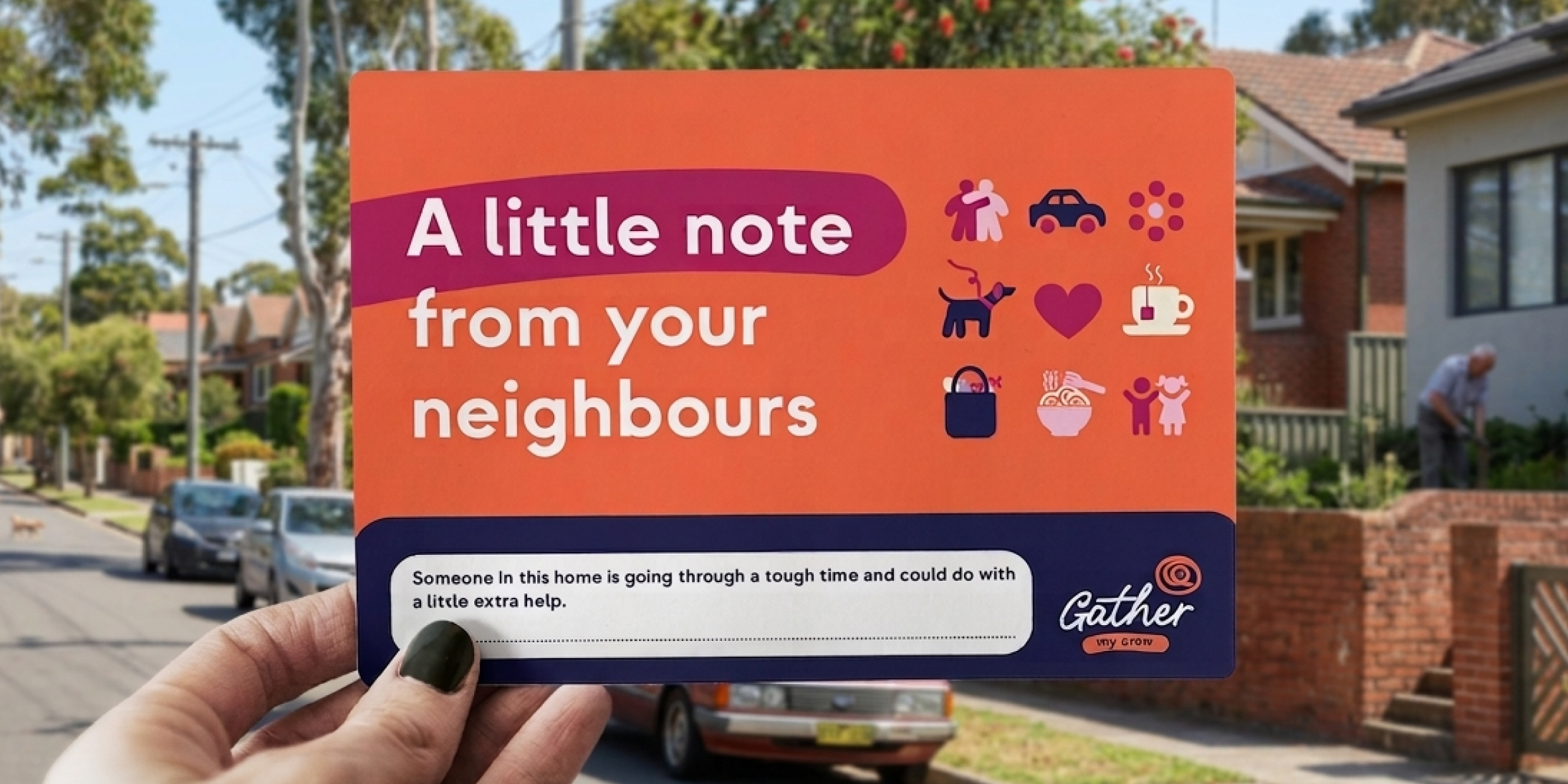
Door Hangers
When people ask, “How are you?” the answer can change from one day to the next. Some ...
Read more

One of the most frustrating experiences many patients describe is feeling completely exhausted while hearing comments such as, “Maybe you just need more sleep,” or “You looked great when I saw you yesterday.”
These comments are usually well intentioned, but they reveal a common misunderstanding about cancer fatigue. It is not simply being tired, and for many people it becomes one of the most difficult parts of treatment and recovery.
Unlike ordinary tiredness, cancer fatigue is not always improved by rest.
It can affect physical energy, concentration, motivation and emotional wellbeing. It can turn everyday activities such as showering, preparing a meal or having a conversation into tasks that require significant effort.
For family and friends, fatigue can be difficult to understand because it is largely invisible. Someone may look well, speak normally and appear physically capable while feeling completely depleted.
Understanding the experience
If you’ve never experienced cancer fatigue yourself, it can be hard to appreciate how unpredictable it can be. Some days a person may seem energetic and engaged. The following day they may struggle to get out of bed. This inconsistency can be confusing for supporters who naturally assume that a good day means things are improving.
Many survivors talk about the frustration of constantly having to explain their fatigue or justify why they need to rest. Others describe feeling guilty because they are unable to participate in activities they once enjoyed or fulfil responsibilities they previously managed with ease.
One of the most important things family and friends can understand is that fatigue is not a sign of weakness, laziness or a lack of effort. It is a very real consequence of cancer and its treatment.
How Family and Friends Can Help
Things to Avoid
Every story is a reminder that none of us has to do it alone. Share yours and help thousands of others who are in need of help.