Author: Dr Susan Palmer
At the local primary school my children attended, we were quick to rally around families who were doing it tough. We became experts at baking cakes, lasagnes, and casseroles, and we prided ourselves on our collective ability to support a family by providing their evening meal for a full school term if needed.
Our school community became so good at this that we even purchased a couple of chest freezers. These were regularly delivered to the homes of families in need and filled with lovingly prepared meals.


The intention was beautiful. The reality was more complicated.
Although driven by goodwill and a strong desire to do something helpful, this approach often failed to address the most pressing challenges families were facing. In some cases, it unintentionally created extra stress.
Families were grateful, of course. But many quickly became overwhelmed by the volume and repetition of meals. Children refused to eat the fourth lasagne of the week. Parents felt guilty about food going uneaten and frustrated at having no flexibility. Tension crept in when well-meaning parents asked for their glassware back, or followed up in the playground about meals they had provided.
What started as care sometimes added pressure at a time when families had very little capacity to manage more.
So the question becomes this: How do we better harness that love and goodwill and turn it into support that truly helps?
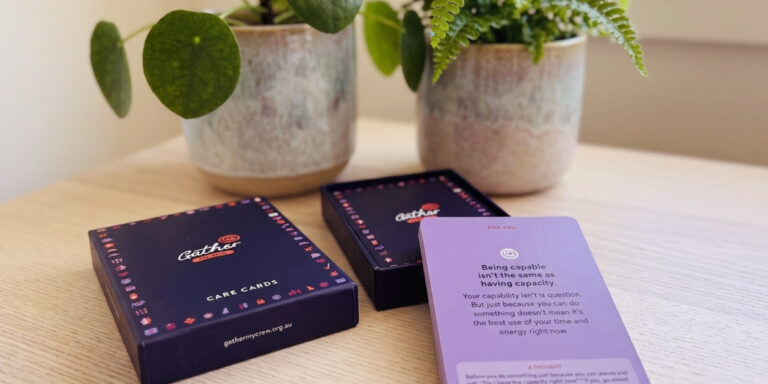
There’s a longer answer to that question, and it includes tools like the Gather My Crew app, which allows families to identify exactly what they need and when. But there’s also a simple shift anyone can make right now.
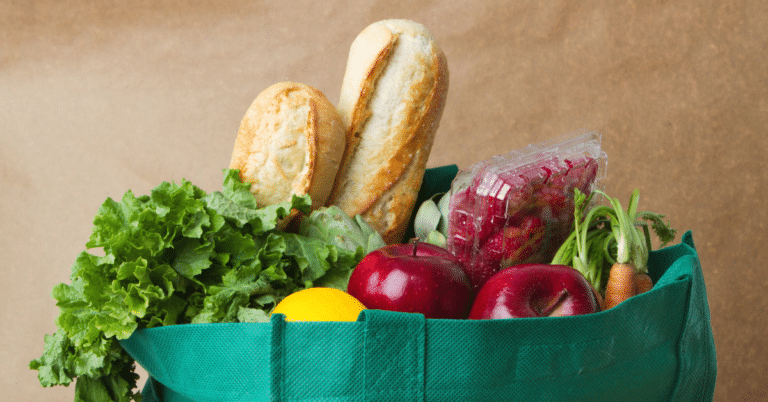
Instead of defaulting to another meal, think about what would help a family get through the next couple of days. Start with a simple care box.
A care box offers flexibility, dignity, and practical relief. It supports daily life, not just dinner.
Here are some ideas to get you started. As always, let your knowledge of the family and what you would want in their situation guide you.
Everyday essentials
Toilet paper, toothpaste, milk, bread, dishwashing liquid, soap, breakfast cereal, and fruit are used daily and often run out when life is chaotic.
Lunchbox and snack items
Sandwich fillings, bread or rolls, school snacks, baked goods, and cut up fruit can remove the daily stress of feeding children or carers looking after someone at home.
Simple meal ingredients
Items for quick, low effort meals such as pasta and sauce, tacos or wraps, homemade pizza, or salad ingredients allow families to choose when and how they eat.
When we think differently about how we support people doing it tough, our help becomes more meaningful and more effective.
Small, thoughtful shifts can have a huge impact. 💜