July 22, 2026
“The family will manage” is not an aged care plan.
No government policy says the family will manage. But every major review of aged care...
Read more
Pen has known Emma for most of Emma’s life. They first met through Girl Guides when Emma was a teenager, and over the years their relationship evolved into something that was part friendship, part mentorship and part family.
By the time Emma was diagnosed with acute myeloid leukaemia (AML), Pen knew her well enough to understand exactly what would happen if someone didn’t step in and take control of the practicalities.
The diagnosis came on a Thursday night. By Friday, Pen had cleared her schedule.
That weekend, Emma and her partner Ruth were surrounded by a small group of people determined to help however they could. In those first few days, while everyone was still trying to understand what lay ahead, one decision quickly became clear.
Emma would not be responsible for organising her own support.
Emma had always been the organiser. She was the person who coordinated events, managed logistics and made things happen for everyone around her. Her friends knew that if she had access to the systems and plans being created around her care, she would immediately start managing them herself.
“She’d be in there wanting to control it. That’s why she has such a wide range of people. But this was not the time for that. She needed to focus on getting better.”
Pen became the coordinator.
She established channels for updates, meal coordination, practical logistics and reliable information about AML. She also became the person who filtered information, answered questions and connected people with trusted resources.
One of the most important things she did was direct people away from internet searches and towards reliable information.
Rather than allowing fear and misinformation to spread, she pointed supporters to trusted organisations and resources that explained what AML was and what treatment involved. It gave people confidence and helped them focus on practical ways they could contribute.
Over time, around 45 people joined the support network. A smaller group carried most of the ongoing responsibilities, but contributions came from all directions. One woman, who wasn’t particularly close to Emma before her diagnosis, delivered food almost every week for months simply because she wanted to help.
Pen also found herself supporting the people around Emma.
She became a buffer when difficult family dynamics arose and a sounding board for Ruth during the early days of treatment. Her role wasn’t to make decisions on anyone’s behalf. It was to remove obstacles and absorb the countless small tasks that can quickly overwhelm families in crisis.
“You just tell us what you want and need, and we’ll make it happen. Just concentrate on getting better.”
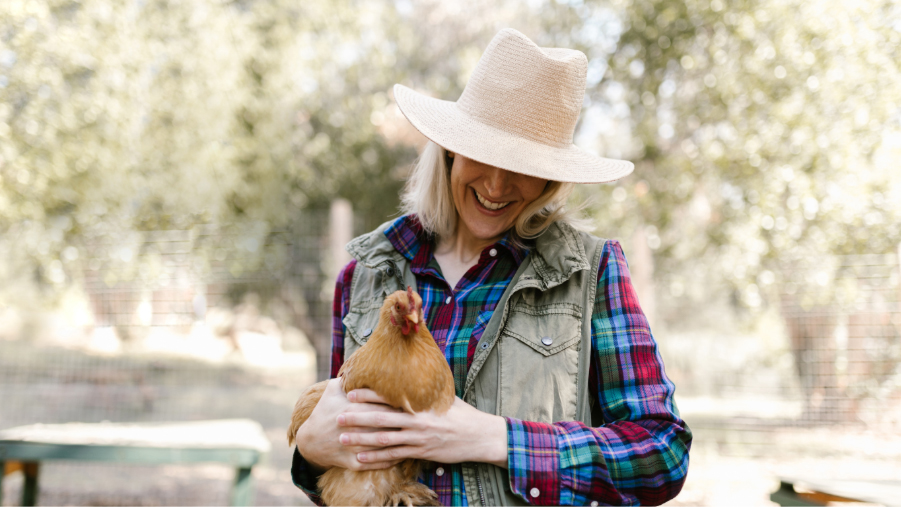
One of Pen’s favourite examples of support came from a friend who lived too far away to help practically. Every few days, this friend would send Emma photographs of their chickens.
There were no questions attached. No requests for updates. No expectation that Emma would reply.
Just chickens.
Emma loved them.
At a time when so many interactions required energy, explanation or emotional effort, those photographs offered a moment of lightness without asking anything in return.
For Pen, they perfectly captured an important truth about support. It doesn’t always have to be big or complicated. Sometimes the smallest gestures become the ones people remember most.
What Pen Would Tell Other Friends
Every story is a reminder that none of us has to do it alone. Share yours and help thousands of others who are in need of help.